Mitsubishi Air Conditioning Units: What Should You Know Before Choosing One?
Choosing air conditioning for your home or workplace involves more than finding a unit that fits your budget. The system needs to suit the space, provide the required cooling and operate comfortably during everyday use.
Mitsubishi air conditioning units are available in different configurations for a range of applications. The right option depends on how the space is used, how many rooms need cooling and what you expect from the system.
Here are the main considerations to review before making a decision.
Which Spaces Need Air Conditioning?
Start by identifying where you need cooling and when those areas are occupied. This helps you narrow down the type of system that may be suitable.
For example, a home office may need cooling during working hours, while a living room may be used mainly in the evening. A commercial space could require consistent temperatures throughout the working day.
Consider these factors:
- Room size: Larger spaces may need greater cooling capacity.
- Occupancy: More people can increase the heat load.
- Sunlight: Rooms with large windows may become warmer.
- Equipment: Computers, lighting and machinery can produce additional heat.
- Usage patterns: Different rooms may require cooling at different times.
These details help an installer assess the required capacity. Choosing equipment based only on floor area can overlook important factors that affect performance.
Understand the Available System Configurations
Not every property needs the same air conditioning arrangement. Your choice will depend on the number of rooms, available installation space and the level of control required.
Single-room systems
A single-room system can be suitable for a bedroom, home office or living room. It allows you to concentrate the installation on an area where cooling is most useful.
This approach may also be practical when you want to add air conditioning to an existing property without undertaking a larger project.
Multi-room systems
If several rooms need cooling, a multi-room arrangement may be worth considering. Depending on the selected equipment, multiple indoor units can connect to a suitable outdoor unit.
This can reduce the need for separate outdoor units, although the design must account for the combined cooling demand and the manufacturer's compatibility requirements.
Commercial applications
Offices and other commercial premises may have different requirements from homes. Occupancy, operating hours, room layout and equipment loads can all influence the design.
A professional assessment helps determine which configuration is appropriate for the building.
You can explore the available Mitsubishi air conditioning options before discussing suitable models with an installer.
What Should You Compare Between Models?
Once you understand your requirements, compare the specifications of the individual Mitsubishi models that meet them.
Cooling capacity: The unit should provide sufficient cooling for the room under its expected operating conditions.
Energy efficiency: Compare the published seasonal efficiency ratings using the same measurement method. Actual electricity consumption will also depend on usage and installation conditions.
Operating noise: Sound levels matter in bedrooms, meeting rooms and quiet workspaces. Check the specifications for both indoor and outdoor units.
Controls: Depending on the model, features may include timers, operating modes and compatible smart controls. Choose features that are useful for your routine.
Installation requirements: Check the available space, pipework routes, electrical requirements and access for maintenance.
These factors should be considered together. A model with additional features may not be the best choice if a simpler option meets your needs more effectively.
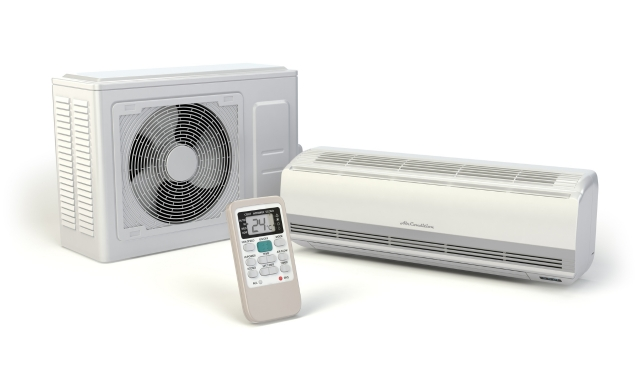
Is Toshiba Air Conditioning Another Option?
When comparing manufacturers, Toshiba air conditioning units may also be worth considering.
The important point is to compare equipment with similar requirements rather than comparing brand names in isolation. A suitable comparison should consider cooling capacity, efficiency, noise, controls, installation constraints and total cost.
For example, if two models are being considered for the same office, first establish the required cooling capacity. Then compare the specifications and features of models that meet that requirement.
This avoids choosing a unit based on a single headline feature that may have little relevance to your property.
You can review the available Toshiba air conditioning options alongside the Mitsubishi range.
For additional context, read the Medium article Toshiba Air Conditioning Units: What Should You Consider Before Choosing One? Insert the published Medium article URL before publishing this Blogger post.
Plan the Installation Carefully
The performance of an air conditioning system depends partly on how it is installed. Even suitable equipment may not deliver the expected comfort if the unit is poorly positioned or the installation does not meet the manufacturer's requirements.
Before work begins, discuss the proposed locations of the indoor and outdoor units. The indoor unit should distribute air effectively without creating uncomfortable draughts. The outdoor unit needs adequate airflow and reasonable access for servicing.
The installation plan should also cover:
- Refrigerant pipework and electrical connections.
- Condensate drainage.
- Mounting arrangements and available space.
- Noise considerations.
- Access for cleaning and maintenance.
If you live in a flat or leasehold property, check whether permission is required for an outdoor unit or external alterations.
Ask for a written quotation that explains which equipment and installation work are included. This makes it easier to compare proposals and identify potential additional costs.
Think Beyond the Initial Purchase
The purchase price is only one part of owning an air conditioning system. You should also consider electricity consumption, servicing and the practicalities of keeping the equipment in good condition.
Using suitable temperature settings and avoiding unnecessary operation can help manage energy use. Follow the manufacturer's instructions for cleaning user-accessible filters and arranging professional maintenance.
It is also useful to check the availability of service support and replacement parts for the selected model. These considerations can matter over the system's working life, particularly in commercial environments where equipment downtime may affect daily operations.
Rather than focusing exclusively on the lowest quotation, consider the equipment's suitability, installation quality and ongoing requirements together.
Make the Choice That Fits Your Property
The right system depends on the space you need to cool, your operating requirements and the installation options available. Comparing individual models will give you a clearer picture than relying on general brand comparisons.
Review capacity, efficiency, noise, controls and long-term costs before making your final decision. Hamilton Air Conditioning can help you explore suitable Mitsubishi equipment and installation options for your property.


Comments
Post a Comment