A Practical Guide to Mitsubishi Electric Air Conditioners
Choosing an air conditioning system for your home or business requires more than comparing brands and prices. You need equipment that suits your space, provides the required level of cooling and fits your budget. Installation requirements, energy consumption and ongoing maintenance are also worth considering before making a purchase.
A Mitsubishi Electric air conditioner may be suitable for different residential and commercial applications, depending on the model and the property's requirements. However, specifications and available features vary between units, so it is important to understand what each model offers before deciding.
By comparing the key features and assessing your property's needs, you can make a more informed choice and find an air conditioning solution that suits your everyday requirements.
1. Choose the Right Cooling Capacity
Cooling capacity is one of the first things to consider when selecting an air conditioning unit. It determines how much heat the system can remove under specified operating conditions.
The appropriate capacity depends on several factors, including the size of the room, ceiling height, insulation and the amount of sunlight entering through windows. The number of occupants and heat produced by appliances can also affect cooling requirements.
A unit with insufficient capacity may struggle to keep the room comfortable, particularly during warmer weather. On the other hand, an oversized system may not be suitable for the space and could lead to less consistent temperature control.
Rather than choosing a unit based on room size alone, consider arranging a professional cooling-load assessment. This can help establish the capacity required for your property and intended use.
2. Compare Energy Efficiency and Running Costs
Energy efficiency is an important consideration if you expect to use your air conditioner regularly. A more efficient system may help reduce electricity consumption, although actual savings depend on how the equipment is used.
When comparing models, review the published seasonal efficiency ratings and ensure that the figures use the same measurement method. Ratings such as SEER can help you compare cooling efficiency under specified conditions.
However, published ratings do not guarantee a particular electricity bill. Outdoor temperatures, thermostat settings, insulation, operating hours and installation quality can all influence energy consumption.
It is worth considering the purchase price alongside expected running costs. This gives you a clearer picture of the overall investment rather than focusing solely on the initial expense.
3. Check Noise Levels Before Buying
Noise can make a noticeable difference to indoor comfort, particularly in bedrooms, home offices and meeting rooms.
Before selecting a model, check the manufacturer's published sound levels for both the indoor and outdoor units. Consider where each unit will be installed, as positioning can influence the amount of noise you hear.
For example, an outdoor unit placed close to a bedroom window or neighbouring property may create unnecessary disturbance. Similarly, an indoor unit that directs cold air towards a frequently occupied area may affect comfort.
Discuss the proposed installation layout with your installer before purchasing the equipment. Suitable positioning can help minimise noise concerns, support effective airflow and make future maintenance easier.
4. Consider the Available Controls and Features
Air conditioning models can offer different controls and operating features depending on their specifications.
Some units may include programmable timers, multiple operating modes, remote controls or compatible smart-control options. These features can make it easier to manage indoor temperatures around your daily routine.
For instance, a timer may help you schedule cooling around working hours, while remote controls allow you to adjust settings conveniently. However, the availability of these functions varies between models, and certain features may require additional accessories.
Think about which functions you will genuinely use before paying extra for advanced options. Suitable cooling capacity, reliable operation and energy efficiency should remain central to your decision.
5. Compare Mitsubishi Electric with Toshiba Air Conditioning
Mitsubishi Electric is not the only manufacturer to consider when choosing a cooling system. Toshiba Air Conditioning is another option worth researching if you want to compare different models before making a decision.
Rather than assuming one manufacturer is automatically better, compare equipment with similar cooling capacities and intended applications. This helps you understand the practical differences between the systems available.
Consider the published efficiency ratings, sound levels, control options, installation requirements and total cost. You should also check the suitability of each model for your property and the level of cooling you need.
Individual specifications are more useful than relying on general brand comparisons. Taking time to review the available information can help you identify equipment that meets your requirements without paying for features you may not need.
For further information, explore Hamilton Air Conditioning's Toshiba air conditioning options alongside its Mitsubishi air conditioning range.
6. Check Whether Your Property Is Suitable for Installation
Even when you have selected suitable equipment, your property must be able to accommodate the installation.
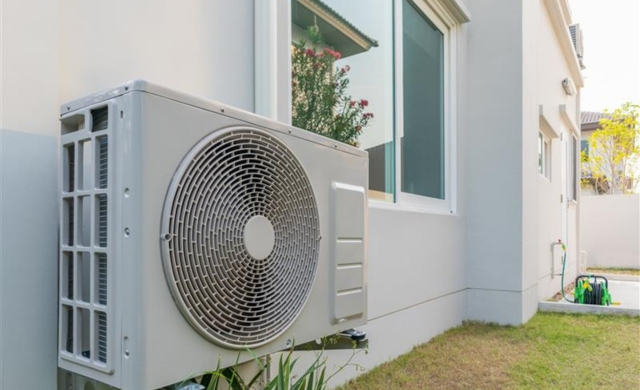
The indoor unit needs an appropriate position for effective air distribution, while the outdoor unit requires sufficient airflow and access for maintenance. The installation may also involve refrigerant pipework, condensate drainage and electrical connections.
If you are replacing an existing system, do not assume that the current pipework or controls will be compatible with the new unit. These details should be checked against the manufacturer's installation requirements.
Flats and leasehold properties may have restrictions on outdoor equipment or changes to external walls. Check whether permission is needed before proceeding.
Ask your installer to confirm the proposed equipment, work involved and any additional costs in writing. This can help prevent unexpected complications once installation begins.
7. Think About Maintenance and Long-Term Use
Buying an air conditioner is only the beginning of its ownership. Routine care and appropriate servicing can help maintain performance and identify potential problems before they become more disruptive.
Follow the manufacturer's instructions for cleaning user-accessible filters and arranging professional maintenance. If you notice weaker airflow, unusual noises or changes in cooling performance, seek advice from a qualified technician.
It is also sensible to ask about service support and replacement parts for the specific model you intend to purchase. This can be particularly important for commercial premises where equipment downtime may interrupt daily operations.
When comparing options, consider the ongoing cost of ownership alongside the purchase price. A suitable system should meet your cooling requirements while remaining practical to operate and maintain.
Conclusion
Choosing an air conditioning system involves balancing cooling capacity, energy efficiency, noise levels, available features and installation requirements. Comparing individual models against your property's needs can help you avoid unsuitable equipment and make a more informed investment.
Before making a final decision, consider Mitsubishi Electric air conditioners: what should you know before choosing one? Review the specifications, assess the installation requirements and compare the total cost of ownership rather than relying on brand reputation alone.
Hamilton Air Conditioning can help you explore suitable air conditioning equipment and installation options for your home or business. Taking time to assess your requirements before purchasing can help you find a system that fits your space, budget and intended use.


Comments
Post a Comment